Horse Breed Gallery

American Horse Breeds Explore Horses of the USA


Discover the rich heritage and majestic beauty of American most celebrated equine breeds.

United States Horse Breeds
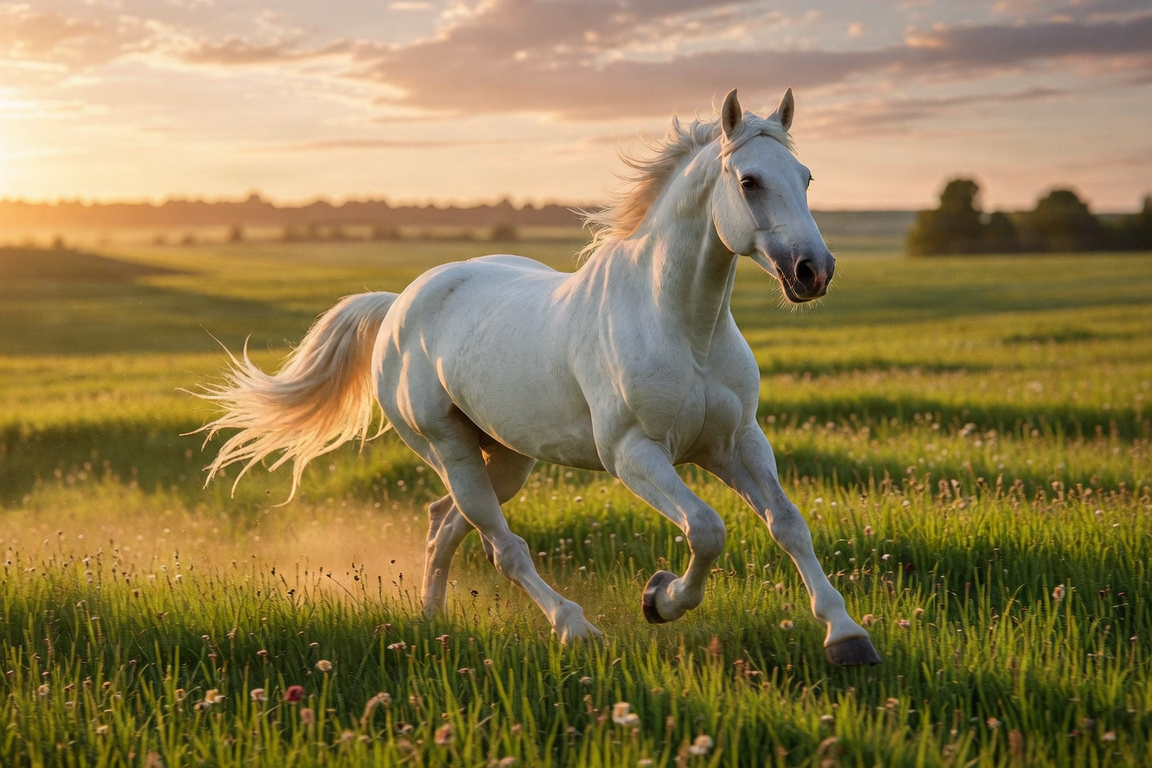
Explore American Horse Breeds

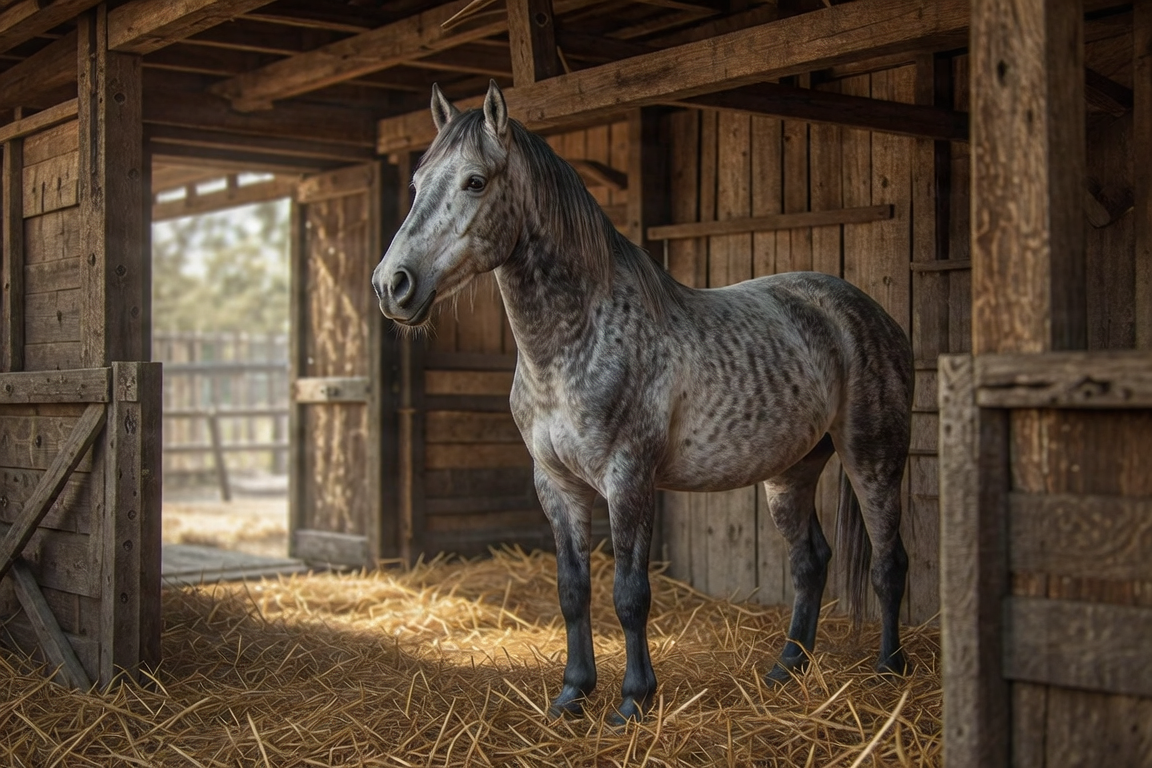
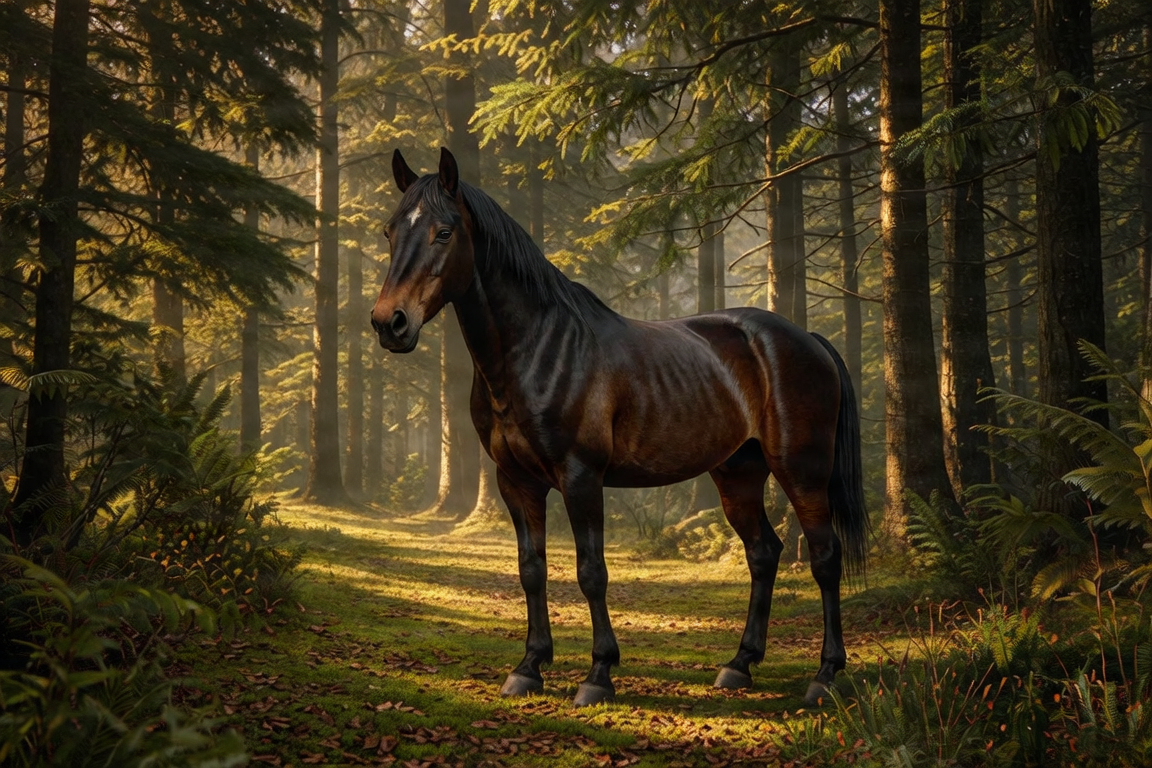
Which American horse breed interests you most? Browse our horse breed gallery to discover different breeds, compare their distinctive characteristics, and find out what makes each one special. From the versatile American Quarter Horse to the striking Appaloosa and elegant American Saddlebred, explore the horses that have helped shape America’s equestrian heritage.
American Quarter Horse

STOCK HORSE

American Quarter Horse

14.2 - 16.0 hh • Reining & Sprinting

American Saddlebred

GAITED / SADDLE

American Saddlebred

15.0 - 16.0 hh • 5-Gaited Show

Pony of the Americas

PONY

Pony of the Americas

11.2 - 14.0 hh • Youth & Trail

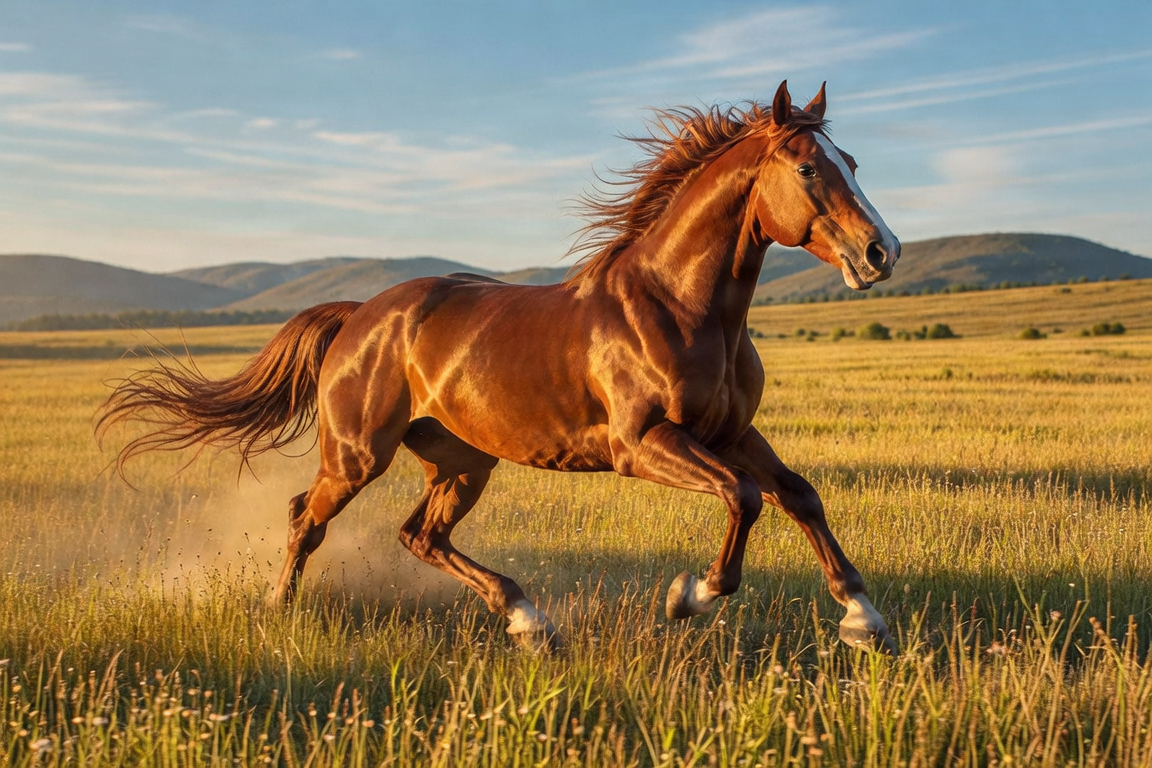
Mustang Horse

FERAL / STOCK

Mustang Horse

14.0 - 15.0 hh • Trail & Endurance

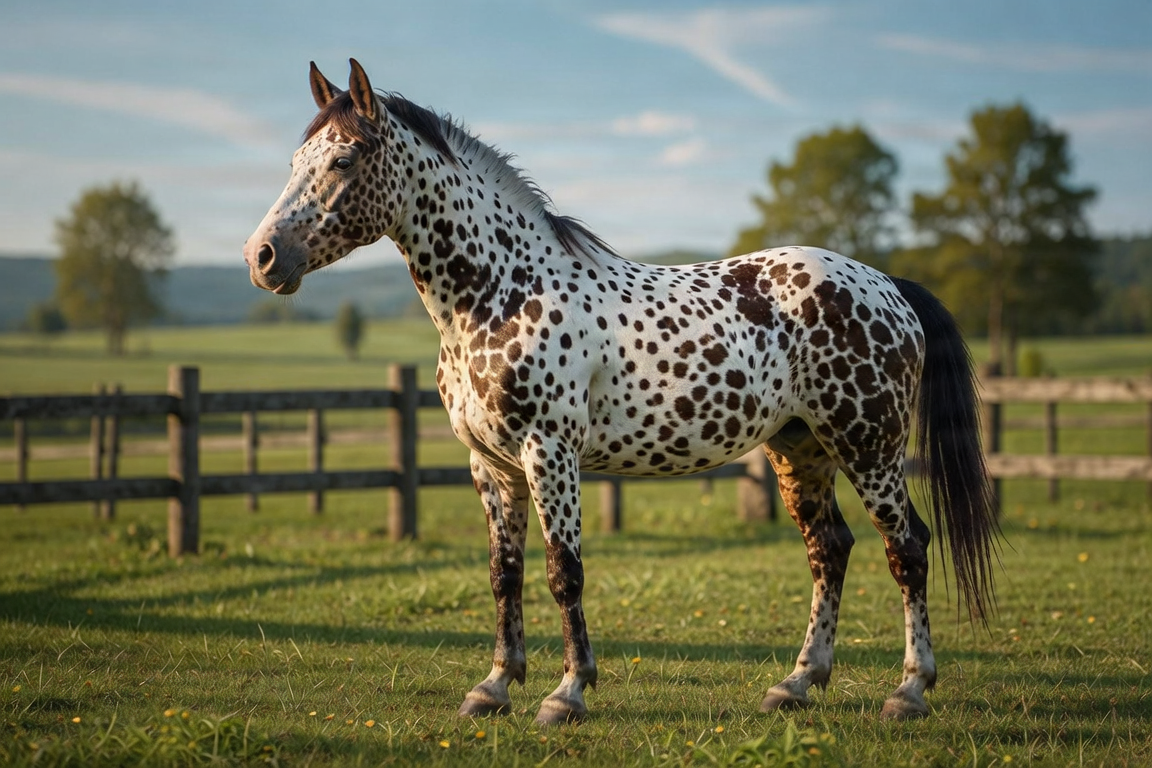
Appaloosa Horse

SPOTTED STOCK

Appaloosa Horse

14.2 - 16.0 hh • Western & Trail

American Quarter Pony

PONY

American Quarter Pony

11.2 - 14.2 hh • Youth Competition

American Warmblood

SPORT HORSE

American Warmblood

16.0 - 17.2 hh • Dressage & Jumper

Cayuse Indian Pony

HERITAGE PONY

Cayuse Indian Pony

13.0 - 14.2 hh • Historic Trail

Ranch Work & Western Riding

The American Quarter Horse is especially well known for ranch work, cattle handling, and Western riding. Its versatility has also made it popular in many recreational and competitive equestrian disciplines.

Racing and Equestrian Competition

American horse breeding has contributed to a wide range of sporting traditions, including racing, driving, jumping, and specialized riding disciplines. Each activity calls for different abilities, and an individual horse’s suitability depends on its breeding, conformation, training, and experience.

Distinctive Colors and Appearance

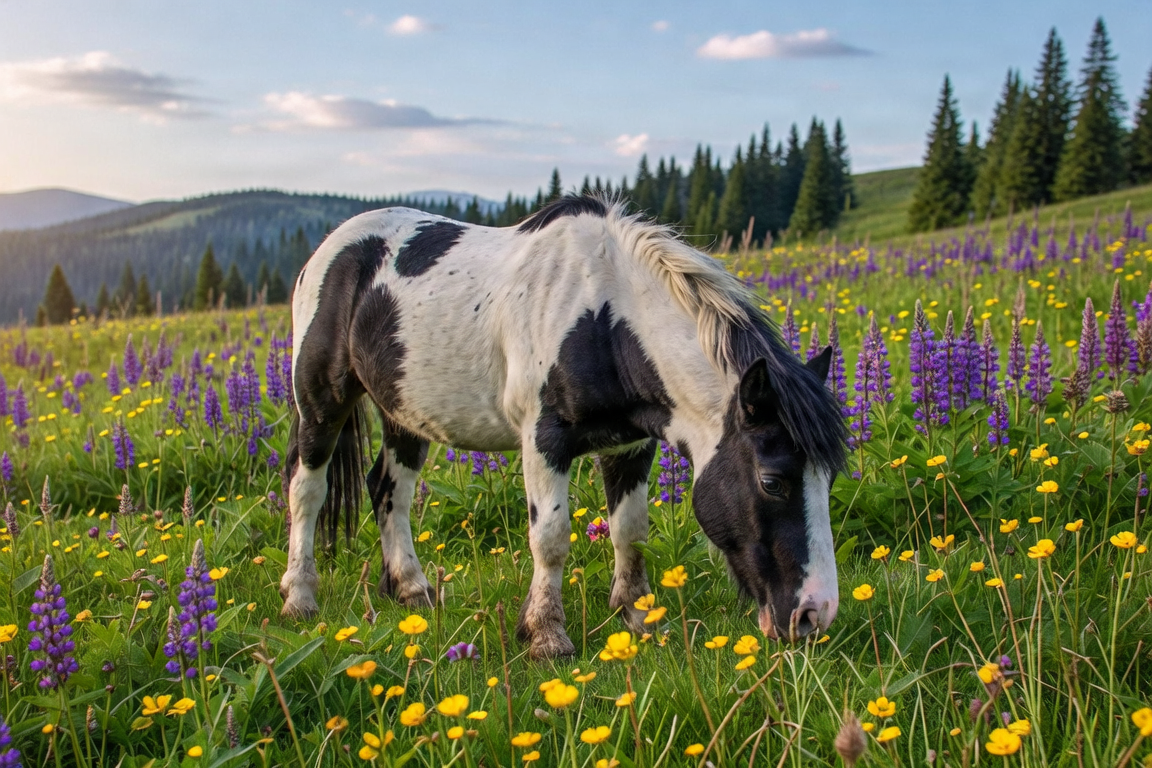
Some breeds stand out for their coat patterns, while others are recognized for their build, movement, or traditional uses. The Appaloosa is famous for its distinctive spotted patterns, while the American Saddlebred is known for its presence and movement in the show ring.

Where Did American Horse Breeds Originate?

Not every horse breed found in the United States originated there. Some breeds developed through generations of breeding in America, while others arrived from different parts of the world and later became important to American equestrian culture. The American Quarter Horse, American Saddlebred, Morgan Horse, and American Paint Horse are examples of breeds with established American development histories. The Arabian and Thoroughbred, by contrast, originated elsewhere but have played important roles in American breeding and equestrian sports. Explore our individual breed profiles to learn more about each breed’s origins, development, defining characteristics, and modern uses.

Iconic USA Horse Breeds


Explore a curated showcase of world-renowned equine lineages, highlighting their unique athletic capabilities, historic lineages, and stunning native characteristics.

Frequently Asked Questions About American Horse Breeds

What are the most well-known American horse breeds?

Popular examples include the American Quarter Horse, American Saddlebred, Morgan Horse, American Paint Horse, and Appaloosa. Each has its own history, appearance, and traditional uses.

The American Quarter Horse is particularly associated with ranch work and cattle handling. However, the best horse for a particular job depends on its individual temperament, training, health, and experience.
Mustangs are generally described as feral horses of the American West rather than a conventional standardized breed. Their ancestry and characteristics vary among populations.
No. Many horses living in the United States belong to breeds that originated in other countries. Where a horse lives and where its breed originated are two different things.
Browse our horse breed gallery and individual breed profiles to explore each breed’s origin, appearance, height, temperament, history, and common uses. Breed associations can provide additional information about registration and breed standards.